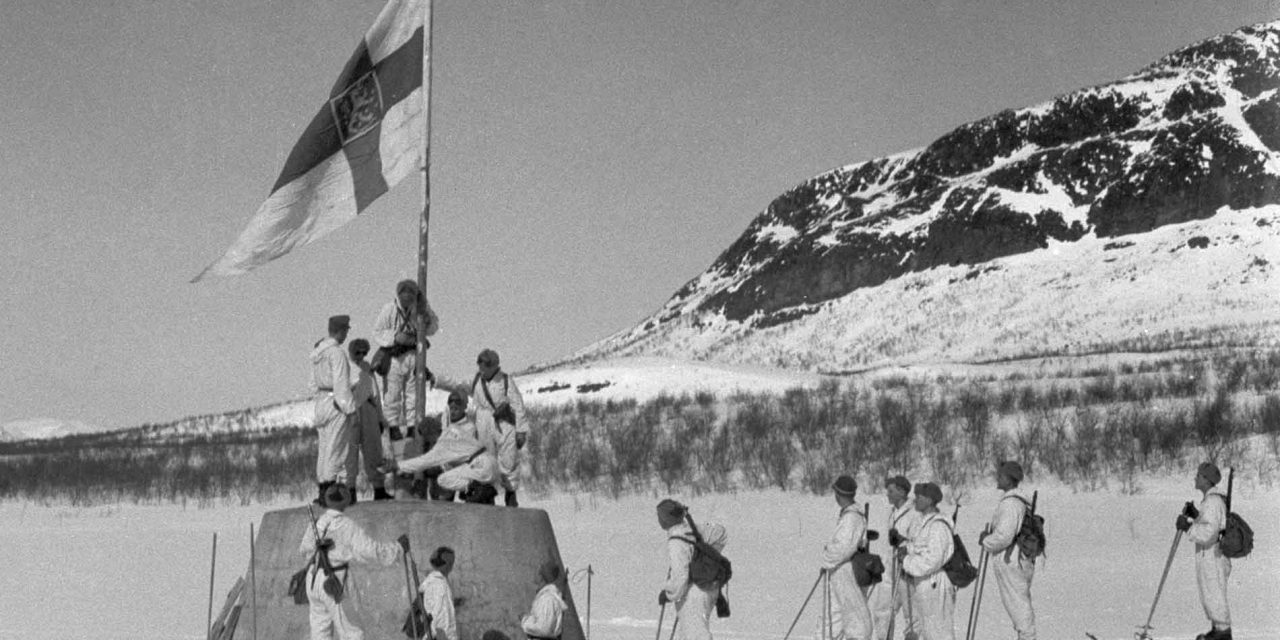
Paula Risikko, the first deputy speaker of Parliament, visited Kilpisjärvi to mark the National Veterans’ Day at the historic tripoint where Finnish soldiers raised a flag in 1945, symbolizing the end of the war in Finland. Her speech honored veterans’ sacrifice, resilience and wisdom in rebuilding the nation.
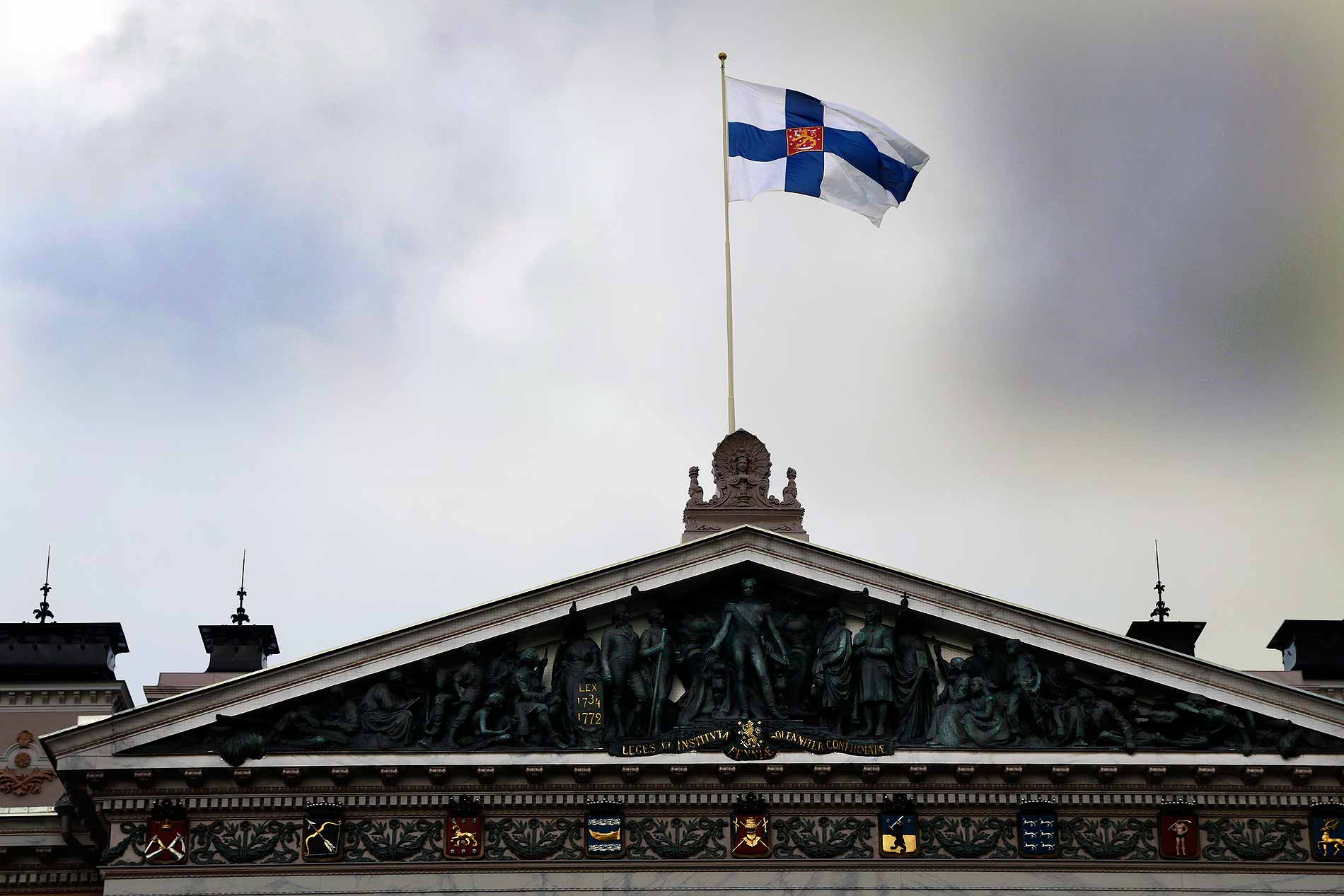
ENONTEKIÖ
On Monday, Paula Risikko (NCP), the first deputy speaker of Parliament, traveled to Kilpisjärvi village in Enontekiö, Lapland—located in Finland’s northwestern region, near the country’s most northwestern point—to commemorate the National Veterans’ Day, marking 81 years since the end of the Lapland War on April 27, 1945.
The site holds significant meaning as it is home to the tripoint where the international borders of Sweden, Norway and Finland converge, marked by a notable monument: The Three-Country Cairn.
This location is also where the iconic photograph was taken of Finnish troops raising a flag on the cairn in April 1945, symbolizing the conclusion of the Second World War in Finland.
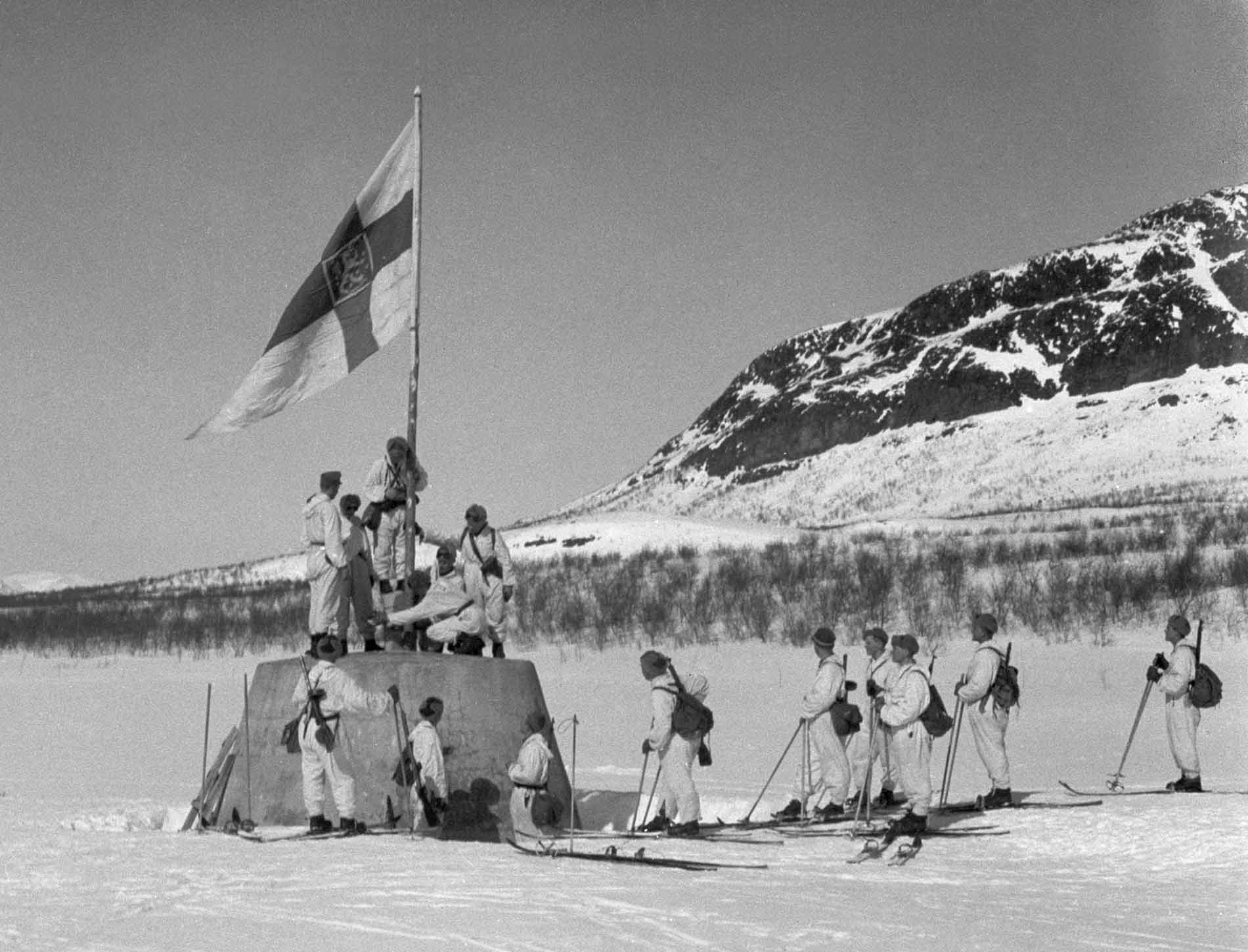
“Today, we gather here to honor the greatest heroes of our country: our war veterans. At 01:30 on April 26, 1945, Finnish soldiers raised a small Finnish flag on a border post, signifying a free nation. Shortly after, General Siilasvuo sent a telegram to Marshal Mannerheim, stating: ‘Mission accomplished,’” Risikko remarked during her speech.
Risikko emphasized that “Finland’s story is one of heroism.” She noted, “Generation after generation has contributed to building this country, and even amidst challenges, we have never surrendered. Threats have come from enemy soldiers, and sometimes frost has devastated our crops. We may have bent, but we have never broken.”
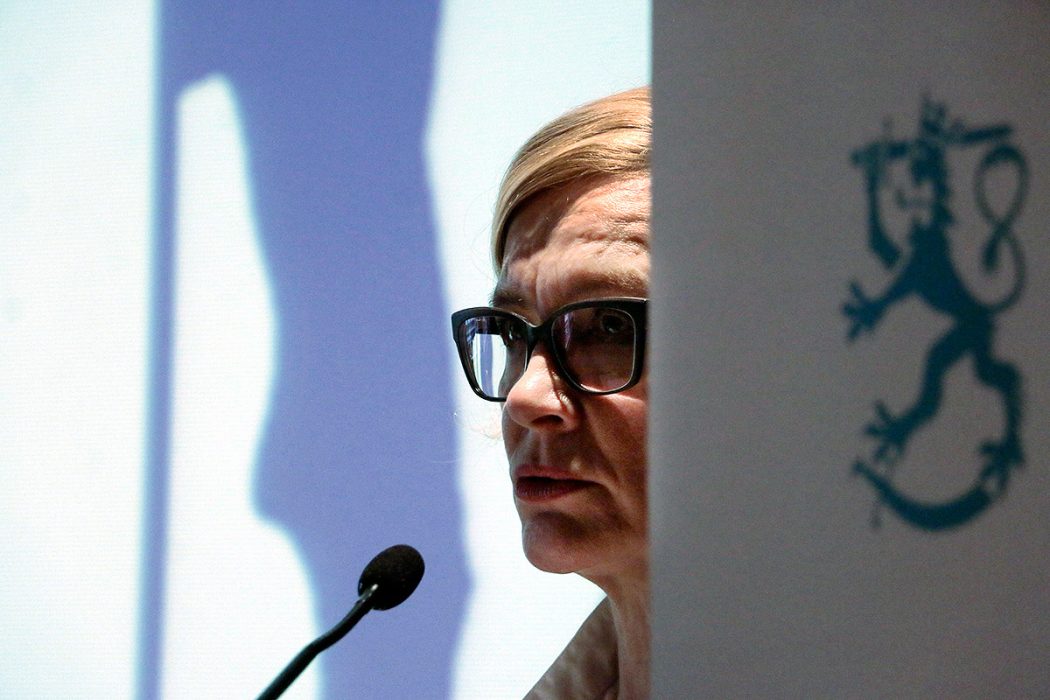
In light of the current security landscape, Risikko underscored the importance of the wisdom of our veterans. “Those who have experienced war understand that preparedness is a form of wisdom. They also recognize that front lines cannot be held without the support of others.”
Toward the conclusion of her speech, she shared a touching story:
“After the war, Lapland was left with ruined houses and abandoned villages. Everything was rebuilt, and among the builders was a 12-year-old boy who remarked that his growth had stunted because he had been forced into heavy forest work at such a young age.”