
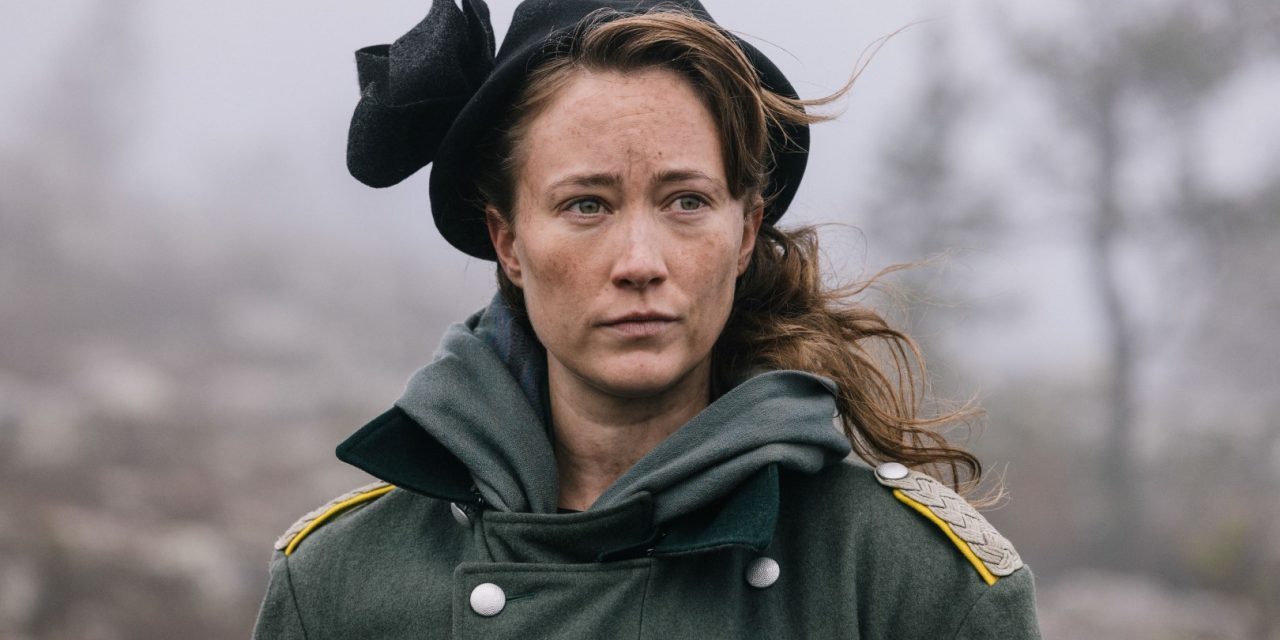
Aku Louhimies’ Lapin sota brings the devastation of the Lapland War vividly to the screen, combining explosive battle scenes, breathtaking northern landscapes and deeply human performances.
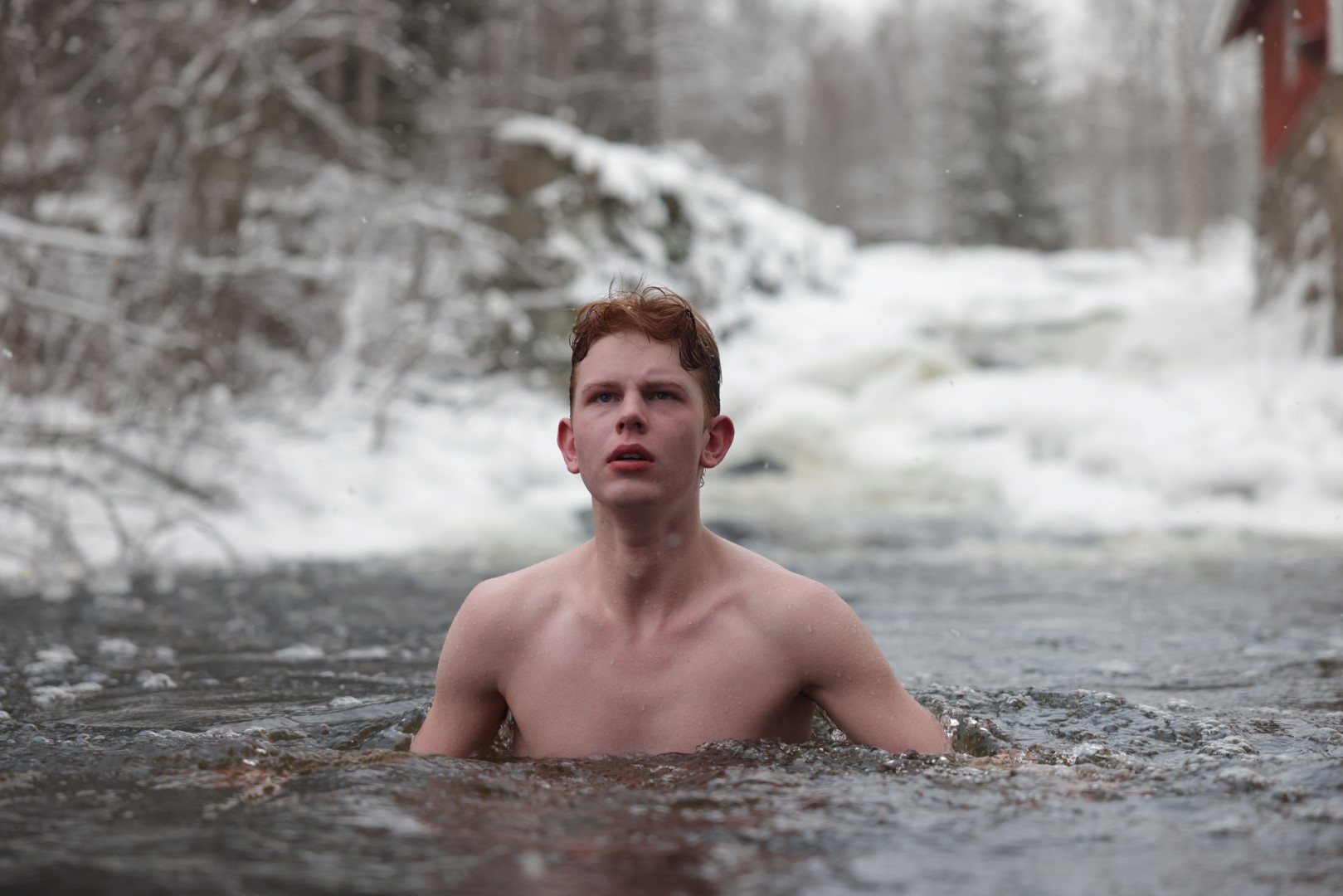
Finnish director Aku Louhimies (Tuntematon sotilas (The Unknown Soldier)) once again asks us to surrender to the soft seat of the cinema and accompany him on a two-and-a-half-hour journey back in time, through explosions, smoke and machine-gun rattle.
Don’t worry: you’re in good hands. Lapin sota (Lapland War) is the best Finnish war film to date.
Based on Antti Tuuri’s novel Rauta-antura, Lapin sota transforms a literary account of the Lapland War into an expansive and deeply human cinematic experience.
The film is set in 1944, when over 210,000 Germans were stationed in Lapland. Under the terms of the interim peace agreement with the Soviet Union, they had to be deported, and Louhimies throws us straight into the conflict in medias res.
The Germans served alongside Finns in the Continuation War, but that alliance was defeated.
The German hunger for Petsamo’s nickel, with the Soviet Union as the primus motor of a war between former allies, brought with it a brutal demand: Finland must sever its ties with Germany and surrender the remaining Germans as prisoners. Over 1,000 soldiers on each side paid for that rupture with their lives.
The Germans left nothing but destruction behind: much of Lapland’s building stock was destroyed, and its bridges were blown up as if the country were not poor enough already.
Even the production design benefited from public involvement: people offered their houses on social media to be burned for the film, and a few were actually burned.
As the cherry on top, the Germans dotted the rotten roads with over one million landmines.
In the film, the soldiers poignantly declare:
“The capitalist wreaks havoc, and the working class cleans up the mess.”
But what a working class it is!
Private Heikki (Luukas Niskanen (Savela)), military chaplain Vainio (Peter Franzen (The Gunman)) and soldier Arvo (Pyry Kähkönen (The More Loving One))—along with the rest of the fine cast—deliver exceptional performances.
Their charisma and presence are reflected in every gesture and word. Louhimies digs deep into these soldiers’ souls and makes them radiate across the screen.
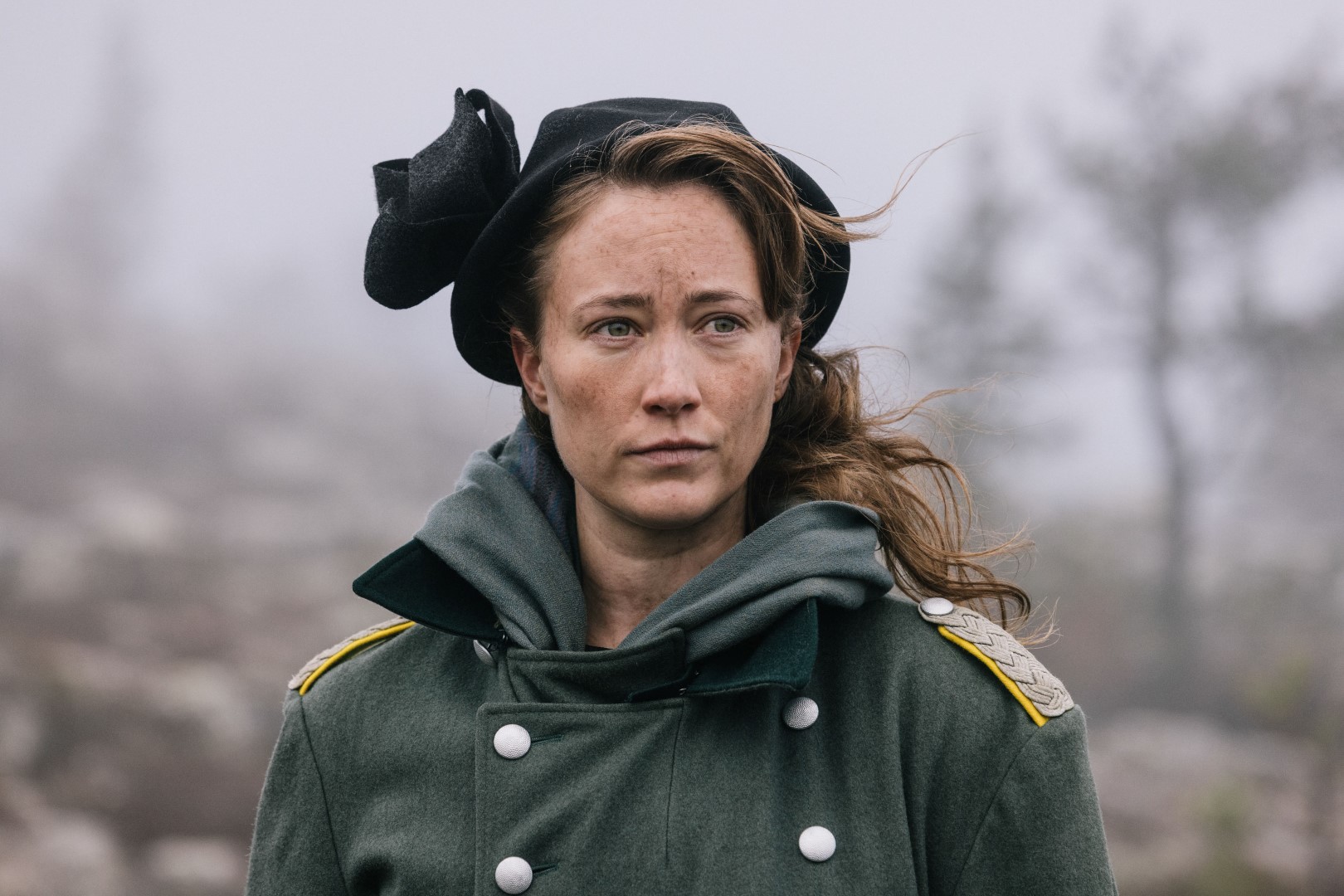
The film also follows a group of women who worked with the Germans and are escorted to Oulu to face trial or execution. Mostly on foot and accompanied by war-torn soldiers, they undertake a 400-kilometer journey that adds a layer of warmth and drama rare in war films, or, hell, even in Finnish dramas. The breathtaking performances by Sannah Nedergård (Codename: Annika) as Saara and Hilma Kotkaniemi (Conflict) as Irene only deepen the film’s emotional force.
Ari Virem’s cinematography (camera crew, Sisu) captures Lapland’s stunning scenery and the bloodshed of battle. The music by composer Lasse Enersend (The Unknown Soldier) and the Lahti Symphony Orchestra leaves the eyes damp and the heart full.
The Lapland War lasted seven months, and filming took almost as long. Most of the film was shot on location in northern Finland, in places such as Tornio, Muonio and Kukkolankoski, following the changing seasons from summer through autumn and into winter. One of the historical military sites used was Parolannummi near Hämeenlinna.
Even the production design benefited from public involvement: people offered their houses on social media to be burned for the film, and a few were actually burned. The project had clearly struck a chord, and community spirit proved alive and well.
To experience Lapin sota is an honor and a privilege.
This is a landmark film, destined to be remembered for generations to come.
‘Lapin sota’ opens in cinemas on October 23.
FILM DETAILS
Title: Lapin sota / Lapland War
Production year: 2025
Running time: 158 minutes
Cast: Peter Franzen, Sannah Nedergård, Hilma Kotkaniemi, Volker Bruch, Luukas Niskanen, Pyry Kähkönen
Director: Aku Louhimies
Screen writers: Antti Tuuri and Aku Louhimies
Genres: drama, war
Primary production country: Finland
