
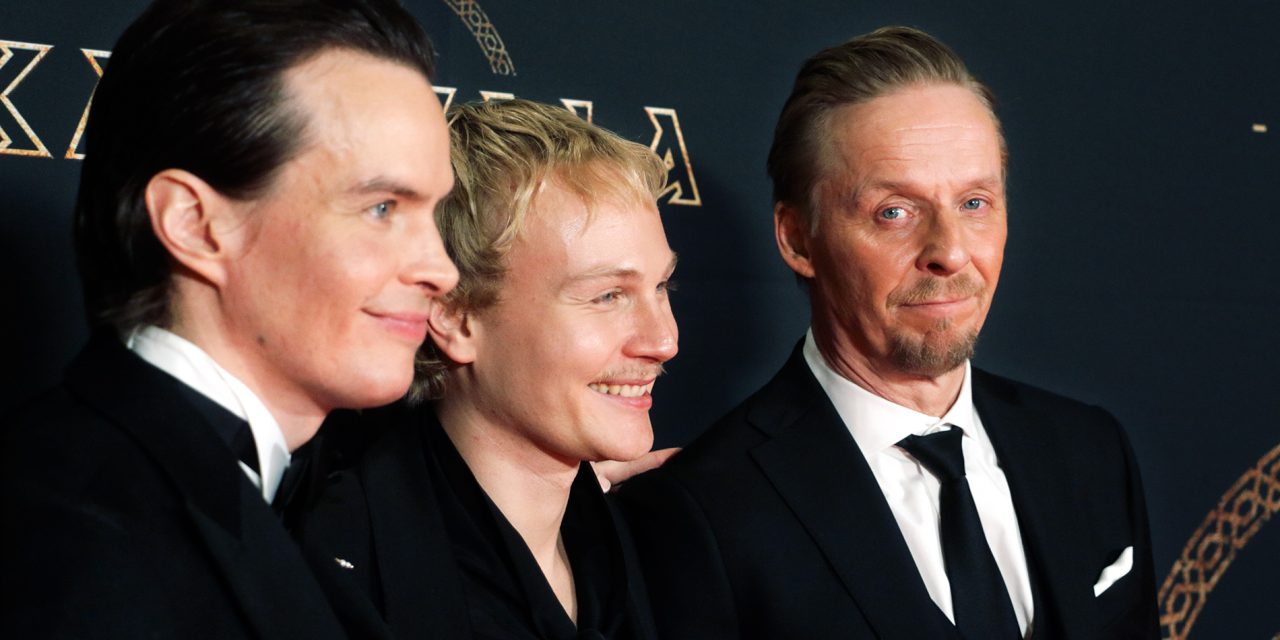
“Kalevala: The Story of Kullervo” is a visually captivating adaptation that reinterprets Finland’s national epic, blending selective faithfulness with imaginative liberties.
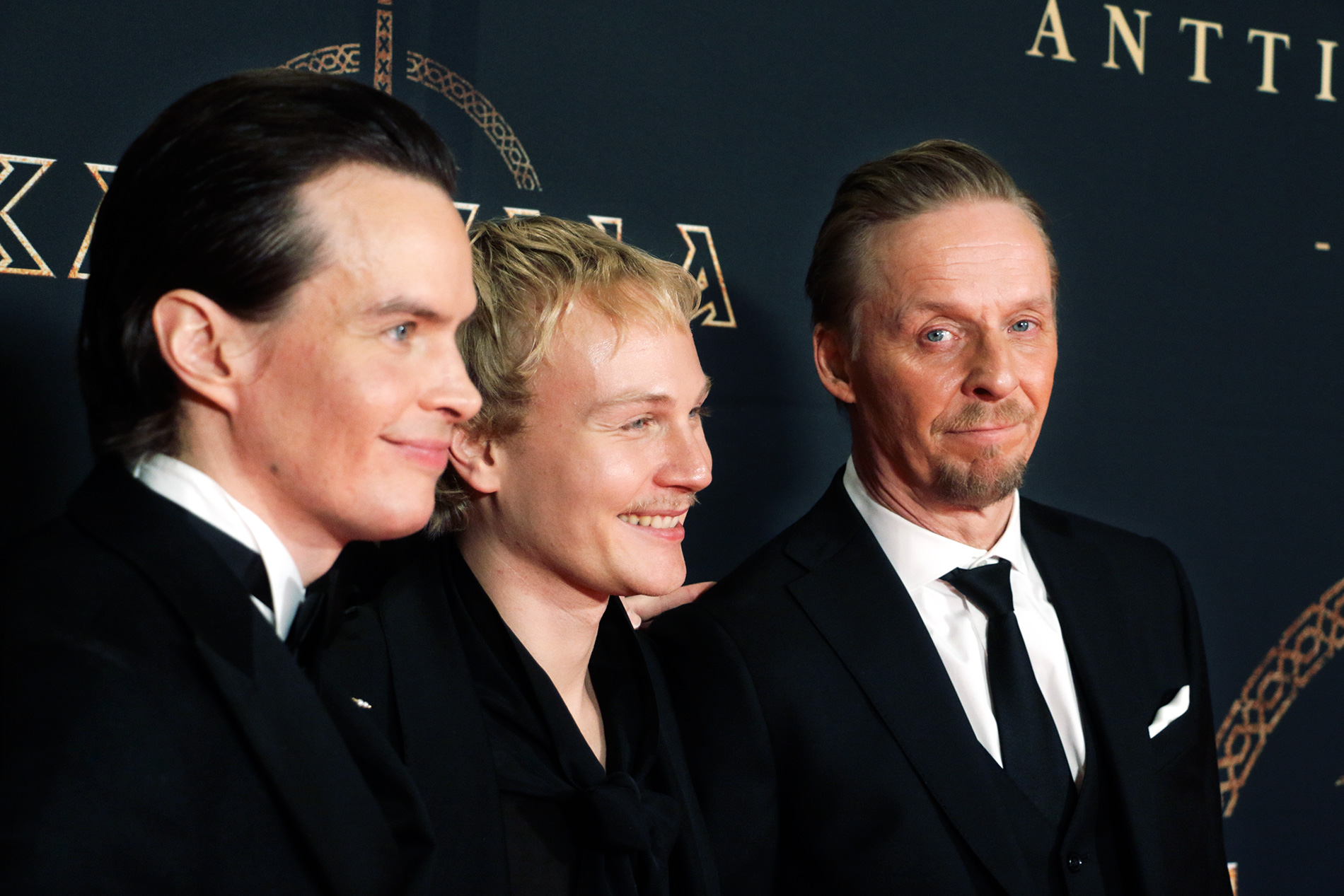
Kullervo is doomed to fail in Elias Lönnrot’s New Kalevala (1849). Writer-director Antti J. Jokinen’s Kalevala: The Story of Kullervo does not stray far from this aspect while bringing the legendary outcast to the big screen, but he successfully also manages to portray a determined young man who is disapproved of by the crowd. The villagers deem Kullervo as a dangerous and damned boy, blaming him for slaughtering animals at night.
Kullervo—perkele—build a fence! As strong as you can! You goddamn dilettante … the logs—the strongest wood in this forsaken forest—were meant to be used to build my house!
Elias Salonen (Piiritys (2024), Bordertown (2016–)) stands out as Kullervo. Kullervo is a restless spirit shaped more by physical labor than intellect under his foster father Untamo (Eero Aho). Kullervo likes to kick ass, but is not afraid to think. Salonen’s performance recalls the wildness in some people from my youth. One now sells real estate.
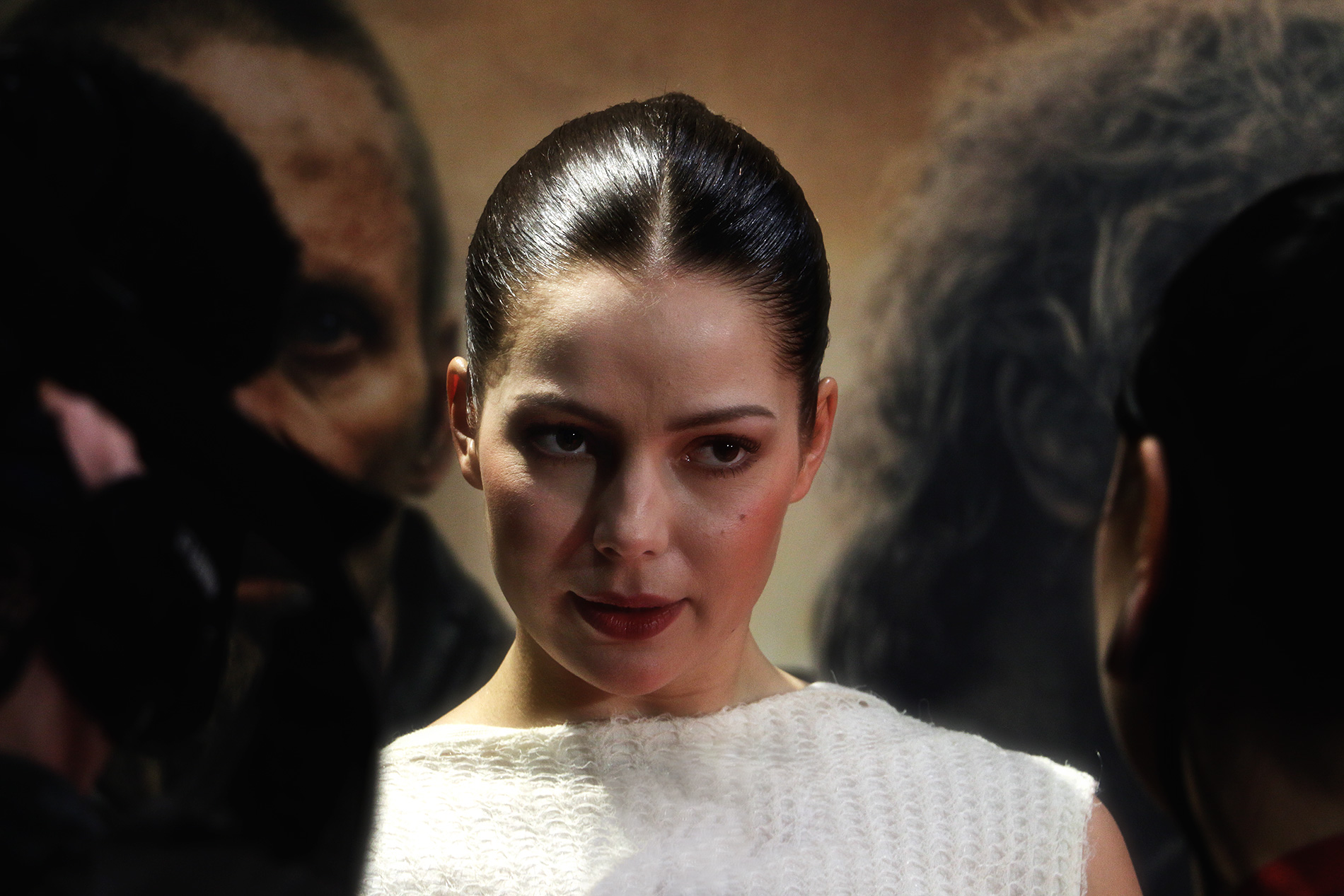
Aho brings depth to the character, and his long resume in Finnish cinema reflects this; the iconic Rokka from The Unknown Soldier (2017) is now Untamo, who presents a stern exterior with hidden softness. Ilkka Koivula is memorable as the wise Wäino. I last saw Koivula chillingly portray a gangster boss in Esa Jussila’s humdinger (Pri)sons (2024).
Olli Rahkonen’s (Helsinki Crimes (2022–2024), Exit Finland (2022)) portrayal of blacksmith Ilmarinen mixes humor and seriousness, while Krista Kosonen’s (The Midwife (2015), Miami (2017)) role as Ilmarinen’s wife is skillfully dramatic but reduced compared to her larger presence in the New Kalevala, where Ilmarinen’s wife, indeed, is a Maiden of Pohjola.
The filming feels familiar because Rauno Ronkainen, whose work I’ve enjoyed in Helene (2020) and Purge (2012), is the cinematographer. He uses gritty contrasts and hazy yet clear colors. In Kalevala: The Story of Kullervo, he favors low-angle shots and often shoots at children’s eye level while adults kneel, giving the scenes grandeur and making characters appear larger than life regardless of age. The film features breathtaking Finnish scenery.
Jokinen and co-writer Jorma Tommila (Sisu (2022), Sisu: Road to Revenge (2025)) notably diverge from Lönnrot’s New Kalevala—omitting shamanistic feats like Kullervo sending bears after Ilmarinen’s wife—instead focusing on Kullervo’s controversial romantic relationship that remains somewhat faithful to the original but with less tragic consequence.
The film glosses over this event and moves on with Kullervo’s revengeful mission, which spans from cradle to—
For 143 minutes!
Ultimately, the adaptation picks selectively from its source material, leaving viewers at the mercy of Jokinen’s and Tommila’s choices, raising questions about taste and fidelity versus creativity in retelling classic stories.
‘Kalevala: The Story of Kullervo’ plays in cinemas now.
WAIT! PLEASE TELL ME MORE ABOUT THE DIFFERENCES BETWEEN THE OLD AND THE NEW KALEVALA!
There are significant differences between the Old and the New Kalevala in terms of length, structure and narrative approach. Elias Lönnrot, who based the Kalevala in the rich oral folk poetry he collected during extensive travels in Finnish and Karelian regions, expanded the work considerably after collecting additional material and editing the epic into a more coherent whole.
The main differences are length and scope.
- The Old Kalevala (1835) contains 32 poems and approximately 12,000 verses.
- The New Kalevala (1849) is almost twice as long: it contains 50 poems and nearly 23,000 verses.
Other differences include:
Structure and narrative. Lönnrot added numerous spells and wedding and custom poems to the New Kalevala, making the epic more epic and descriptive. He also sought to make the story more chronologically consistent by removing some Christian elements and changing the names of characters.
Establishment. The New Kalevala is the version that is read in schools today and on which most translations are based.
And here’s some trivia:
President J. K. Paasikivi was among those who spoke at the centenary celebration of the New Kalevala at the Helsinki Exhibition Hall in 1949.
According to Paasikivi, the Finnish people were like Elias Lönnrot. Despite their poor beginnings, they had achieved incomparable cultural accomplishments, and their actions were the selfless, tireless efforts of peace-loving people working for the good of their country and their people. (Source)
Oh, you can find the score below the author box.
